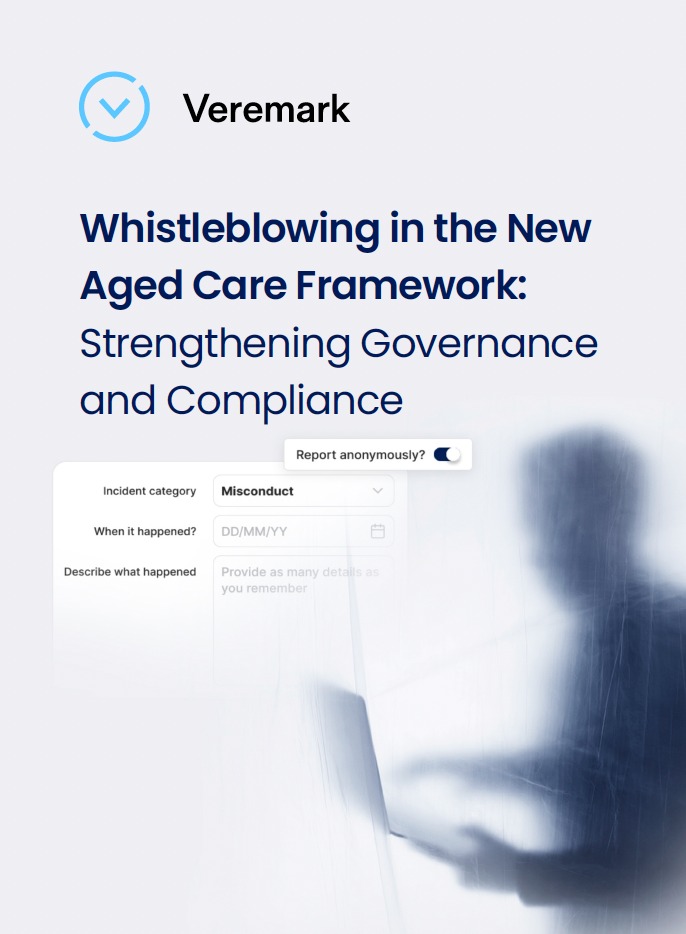
Using Data to Spot Sexual Harassment Risk Before It Becomes Crisis


Most organisations discover sexual harassment only when it lands in their inbox as a formal complaint, a tribunal claim or a resignation letter. By then, the harm has already happened, often repeatedly, and the organisation is left managing fallout rather than preventing it.
Data changes that. It allows you to see risk building before it becomes a crisis and now, under current law, seeing that risk - and acting on it - is no longer discretionary.
What the Law Now Requires
Both the UK and Australian frameworks share a single, firm expectation: employers must monitor whether harassment is occurring, not just assume it isn't.
- In the UK: The Worker Protection Act 2023, in force since October 2024, established a proactive duty to prevent harassment. As of April 2026, raising a concern is a qualifying disclosure under whistleblowing law, protecting employees from retaliation. By October 2026, the bar is raised further, requiring employers to prove they have taken "all reasonable steps".
- In Australia: Since December 2022, the Sex Discrimination Act 1984 (Cth) requires the elimination of harassment as far as "reasonably practicable" while the 2025 Work Health and Safety Code of Practice now treats sexual harassment as a psychosocial hazard.
The Data Gap: Silence is Not Safety
These high-stakes expectations have exposed a significant gap; while most organisations have a policy on file, fewer than 28% are actively tracking whether harassment is actually happening. For most, the only check ever performed is at the point of onboarding and Veremark’s 2026 Screening Benchmark Report shows that 81% of employers conduct no post-hire monitoring of any kind.
This lack of data creates a dangerous blind spot and matters more than most organisations appreciate, especially given nearly half of all employees say they would not report harassment at all without access to an anonymous channel. A reporting channel people don't trust is just a channel – and the data it produces will tell you nothing useful.
A policy without measurement is just a document; a screening check without follow-through is a moment, not a system.
.png)
Connecting the Signals: A Case Study
The following scenario is illustrative, based on patterns common in organisations that have introduced anonymous sexual harassment disclosure systems.
Consider a logistics company with 400 employees across four regional depots. After introducing an anonymous disclosure tool and quarterly surveys, they notice a pattern. Within six months, three informal reports of unwanted comments and physical contact emerge from a single depot, all involving a late-shift supervisor.
While no single report has triggered a formal process, the aggregate data is unmistakable. By connecting these signals with a review of screening history - revealing an overlooked note from a previous employer about "boundary-setting" - HR is able to intervene.
The result? The supervisor is moved, no tribunal claim is filed and a follow-up survey shows a 40% reduction in reported discomfort at that depot.
None of this required revealing who had reported what. It required a system capable of connecting signals across channels - disclosure data, survey trends, screening history - and surfacing a pattern before it escalated. The signals were there all along, they simply needed infrastructure to make them visible.
The Data Worth Tracking
So what should organisations be looking for? The most actionable signals are often already within reach:
- Volume Trends: Rising sexual harassment reports often indicate growing trust in the system, not growing incidence. Flat or zero reporting is more likely to signal silence than safety - and silence is where repeat offending thrives.
- The "Generation Gap": Recent research highlights that 52% of Gen Z employees have witnessed harassment compared to 33% of “Boomers”. If your data doesn't reflect the observations of your youngest workers, your reporting channels may be failing.
- Location and Shift Patterns: Concentrations of reports in specific settings point to supervision gaps, isolated conditions or power imbalances that policies alone won't fix.
- Third-Party Risk: In some sectors, high levels of harassment come from clients or customers. Data helps you spot these external risks before they drive high staff turnover.
- The "Silent Majority": UNISON’s #UsToo campaign in the UK reveals that over 50% of employees who experience harassment never report it to their employer, often because they believe it’s "pointless" or "part of the job." If your data only reflects formal grievances, you are missing half the picture.
- Repeat Perpetrator Indicators: Approximately 65% of sexual harassment victims are aware of others who have experienced similar behaviour from the same individual. Data that connects informal disclosures catches what individual reports miss.
From Document to System
Individually, each of these indicators is instructive. Together, they form a picture that no policy review or one-off audit can produce. Tracking them is only valuable if the infrastructure exists to act on what they reveal. The regulatory direction in both markets is moving decisively toward demonstrated, ongoing risk management - not a policy on file, but evidence of a living system.
The organisations best positioned to defend themselves - and their people - won't be those with the longest policies. They will be those with the clearest line of sight from risk to action – and the data to prove it.
Ready to move from compliance documentation to compliance intelligence?
Veremark’s trusted speak up solution provides a closed-loop system to help organisations:
- See patterns, not just incidents by linking informal signals and third-party observations to identify repeat perpetrators and high-risk shifts.
- Connect the system by integrating background screening at hire with disclosure channels and ongoing whistleblowing monitoring to ensure your prevention architecture never stops evolving.
- Build a defensible audit trail by generating the evidence regulators, tribunals and boards now expect to see - not a policy document, but proof of continuous, structured prevention.
Speak to Veremark today to understand where your gaps are and how closing them builds a culture of proactive workplace safety.
.png)
Read More



.png)
.png)
FAQs

A whistleblower hotline is a reporting channel, such as a phone line, web form, or third-party service, that people can use to raise concerns about wrongdoing.
In some jurisdictions and for certain organisations, whistleblowing channels are legally required; requirements depend on company size, location, and applicable regulations.
Implementation can be quick for standard software setups, but more complex rollouts with custom workflows, languages, training, and policies may take longer. Veremark can launch an online hotline for your organisation very quickly - but we also offer full consultation prior to roll-out, as well as a white-labeled product for organisations who need this option.
Trusted by the world's best workplaces


APPROVED BY INDUSTRY EXPERTS
.png)
.png)


and Loved by reviewers


Transform your hiring process
Request a discovery session with one of our background screening experts today.