
Five signs your hiring process is vulnerable to fake applicants


Fake applicants do not need a flawless plan. They only need one loose process, one unchecked handover or one manager who says, “I’m sure it’s probably fine.” These five warning signs suggest your hiring process may be easier to exploit than you think.
Most recruitment fraud does not require cinematic technology.
There is rarely a dark room full of screens or a mysterious figure typing at impossible speed. More often, there is a polished CV, a rushed process and a few assumptions nobody thought to test.
AI recruitment fraud makes those assumptions more dangerous. Applicants can create tailored CVs, prepare strong interview answers and submit applications at scale.
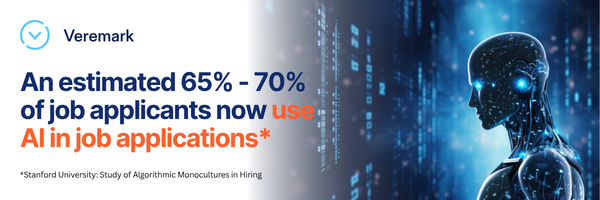
Here are five signs that a fake candidate may find your process rather attractive
1. You only verify their identity after making the offer
This is one of the most common weaknesses.
The interviews are complete. The manager has chosen their preferred candidate. HR has issued the contract. Then someone asks for identity documents.
At that stage, the organisation is emotionally committed to the hire. Any discrepancy can start to feel like an administrative nuisance rather than a warning.
We believe an identity check should take place before the final decision, particularly for remote or high-access roles.
It is easier to pause a candidate than to remove an employee who already has a laptop and a company login.
2. Your interviewers rely too heavily on their instincts
Most experienced interviewers believe they can spot when something feels wrong.
Sometimes they can. Sometimes they are simply impressed by confident answers and good lighting.
A candidate may be coached in real time. Another person may complete the assessment. The interviewee may be using stolen personal information. A weak connection can hide inconsistencies that would be obvious in person.
In July 2026, The Times reported that more than 700 suspected North Korean bots had applied for remote jobs at a major UK bank during June. The applications reportedly included strong CVs, credible technical answers and convincing video interviews.
That incident should make all of us slightly less confident in our ability to “just tell”.
3. Nobody checks employment claims
AI can make an invented career sound remarkably plausible.
A false role can be described with the right terminology. Achievements can be shaped around the vacancy. Gaps can be explained neatly. The candidate may even have a well-prepared story about why their former manager is difficult to contact.
An employment history check gives employers an independent way to confirm organisations, roles and dates.
AI recruitment fraud loses much of its power when key claims are checked at the source.
4. Teams hand candidates over without handing information over
Recruitment, HR, IT and security often work in different systems.
The recruiter knows which email address the candidate used. HR holds the documents. IT receives a delivery address. The hiring manager remembers the person from the interview.
The problem is that nobody compares the whole record.
That allows small discrepancies to pass unnoticed. A different address here. A different name format there. A last-minute request to send equipment elsewhere.
Our guide to improving employee background checks explains how businesses can create a more consistent screening process.
The basic principle is simple: everyone should be talking about the same verified person.
5. System access is granted automatically
Some onboarding processes grant access as soon as the contract is signed or the employee record is created.
That is efficient. It is also generous.
A fraudulent hire may be seeking source code, payment permissions, customer records or access to internal networks. Sensitive permissions should depend on completed checks and clear approval.
For higher-risk positions, businesses may need restricted access during the early stages of employment. There is no rule saying every new starter needs the keys to every cupboard before their first coffee.
The financial risk is real
The Recruitment and Employment Confederation has estimated that a poor mid-level hire earning £42,000 may cost a business more than £132,000.
That figure includes recruitment expense, training, reduced productivity and replacement hiring.
A malicious hire can add far more. Cyber investigation, legal advice, system recovery, customer notification and regulatory action can quickly turn a recruitment mistake into a major financial event.
AI recruitment fraud should therefore sit alongside other business risks, rather than being treated as an unusual HR problem.
Test your process before someone else does
We should review hiring through the eyes of a dishonest applicant.
Where could someone switch identities? Which claims are never checked? Who confirms the address used for equipment? Does IT know whether screening is complete? What happens when documents conflict?
The answers will show where the process needs work.
Explore Veremark’s background screening solution to add tighter identity, employment and candidate verification checks to your hiring process.
.png)
Read More


.png)
.jpg)

.jpg)
FAQs

This depends on the industry and type of role you are recruiting for. To determine whether you need reference checks, identity checks, bankruptcy checks, civil background checks, credit checks for employment or any of the other background checks we offer, chat to our team of dedicated account managers.
Many industries have compliance-related employment check requirements. And even if your industry doesn’t, remember that your staff have access to assets and data that must be protected. When you employ a new staff member you need to be certain that they have the best interests of your business at heart. Carrying out comprehensive background checking helps mitigate risk and ensures a safer hiring decision.
Again, this depends on the type of checks you need. Simple identity checks can be carried out in as little as a few hours but a worldwide criminal background check for instance might take several weeks. A simple pre-employment check package takes around a week. Our account managers are specialists and can provide detailed information into which checks you need and how long they will take.
All Veremark checks are carried out online and digitally. This eliminates the need to collect, store and manage paper documents and information making the process faster, more efficient and ensures complete safety of candidate data and documents.
In a competitive marketplace, making the right hiring decisions is key to the success of your company. Employment background checks enables you to understand more about your candidates before making crucial decisions which can have either beneficial or catastrophic effects on your business.
Background checks not only provide useful insights into a candidate’s work history, skills and education, but they can also offer richer detail into someone’s personality and character traits. This gives you a huge advantage when considering who to hire. Background checking also ensures that candidates are legally allowed to carry out certain roles, failed criminal and credit checks could prevent them from working with vulnerable people or in a financial function.
Trusted by the world's best workplaces


APPROVED BY INDUSTRY EXPERTS
.png)
.png)


and Loved by reviewers


Transform your hiring process
Request a discovery session with one of our background screening experts today.